Clinically reviewed by Chris Mosunic, PhD, RD, MBA, Chief Clinical Officer, Calm
A continuous wave of disruption in our lives—the pandemic, climate change impacts, and the rapid emergence of AI—has forced us to quickly adapt to new ways of living and working.
But those same shocks are eroding the capacities that help us adapt. Chronic stress, trauma, anxiety, and depression have weakened essential abilities such as collaboration, decision making, and problem solving.
And when we’re in a weakened state, productivity, innovation and growth suffer. Our ability to harness AI to drive meaningful progress fades, and the threat of AI to jobs and incomes grows. It’s a vicious cycle that demands interruption.
Brain capital is essential
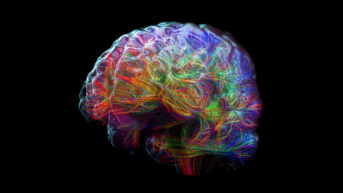
That’s why economists, neuroscientists, and policymakers are calling on government organizations and employers to invest in the development of “brain capital” as a vital economic strategy.
Brain capital combines two essential building blocks: brain health—the ability to function cognitively and emotionally day‑to‑day—and brain skills such as focus, emotional intelligence, and technological abilities that allow us to adapt, collaborate, and contribute in meaningful ways. Strengthening brain capital, experts say, is vital to navigating constant disruption, driving long-term growth, and protecting our collective well-being.
Across the workforce, however, the conditions that support strong brain health and brain skills are weakening. Multiple national surveys illustrate how widespread this strain has become.
Brain capital is a strategic imperative in the age of AI.
Learn how to build it in your organization.
Get the e-guide
The data shows a clear decline in the foundations of brain capital
Nearly half of employees in the US and Canada report experiencing high daily stress, for example, and almost one‑third say they feel burned out “often or always.” Under chronic stress, employees are more likely to struggle with focus, motivation, decision‑making, and other cognitive skills essential to productive work.
Barriers to optimal brain health
Even as stress, anxiety, and depression rise, access to timely care remains limited. Among adults who experienced a mental health challenge in the past year, nearly half didn’t receive treatment for several reasons:
- Thought I could handle it (71%)
- Cost (60%)
- Not ready (51%)
- Didn’t know how or where to get support (49%)
- Didn’t have enough time (48%)
Promoting optimal brain health depends on removing these barriers so people can get the support they need before symptoms escalate.
Barriers to optimal brain skills
Brain skills depend on a regulated nervous system—the ability to smoothly return to a baseline state of rest after moments of stress. By contrast, a dysregulated nervous system keeps people in a state of hypervigilance, anxiety, or reactivity, which reduces their capacity to take clear action.
Unfortunately, a wide variety of external pressures, from heavy workloads to caregiving demands and AI uncertainty, are trapping people in a state of chronic activation or shutdown. Workers often lack sufficient recovery time or tools to support their mental well-being, and when worker dysregulation becomes pervasive, organizations may see more mistakes, less motivation, poor collaboration, and higher rates of burnout and turnover.
Indeed, a survey by the American Psychological Association showed that 57% of workers reported experiencing many negative effects in the past month, including emotional exhaustion, withdrawal, irritability, and lower productivity.
What employers can do now
Organizations have the opportunity to strengthen brain capital by creating conditions that support both brain health and brain skills. They can offer employees access to timely support, foster workplace cultures that reduce chronic activation, and reinforce everyday practices that help people return to a regulated state.
Key actions include:
- Normalizing microbreaks and recovery time throughout the workday
- Training managers to recognize signs of overload and respond with curiosity and support
- Modeling emotional awareness as a leader
- Reducing barriers to mental health support with accessible, stigma‑free digital resources
- Providing evidence‑based mental wellness programs and mindfulness resources that help calm the nervous system
Digital mental wellness solutions such as Calm Health can help by making support easy to access and by guiding employees to available mental health resources. Calm Health offers evidence‑based mental health programs and a wide range of mindfulness tools that support people struggling with stress, anxiety, depression, and other challenges that affect brain capital.
The path forward
Brain capital is a critical determinant of organizational resilience. When brain health and brain skills decline, productivity, collaboration, and innovation do too. When organizations invest in these capacities, they build teams that can adapt to disruption, think creatively, and sustain performance in an increasingly automated world.
By strengthening the cognitive and emotional foundations of work, employers can build a healthier, more resilient workforce that’s ready for whatever comes next.
For more on brain capital, please see our e-guide, How to Build Brain Capital at Your Organization.